
Quick answer: Yes, SoFi is a real bank. SoFi Bank, N.A. holds a national bank charter and is directly insured by the FDIC, covering deposits up to $250,000 per depositor. This makes SoFi fundamentally different from neobanks like Chime and Current, which are fintech companies that partner with separate FDIC-insured banks for pass-through deposit insurance. SoFi’s bank charter lets it lend its own money, hold deposits directly, and set its own interest rates.
In this article
What Does It Mean That SoFi Has a Bank Charter?
A national bank charter from the Office of the Comptroller of the Currency gives SoFi the legal authority to accept deposits, make loans, and operate as a regulated bank. SoFi Technologies acquired Golden Pacific Bancorp and converted it into SoFi Bank, N.A., making it one of very few fintech companies to hold its own banking license.
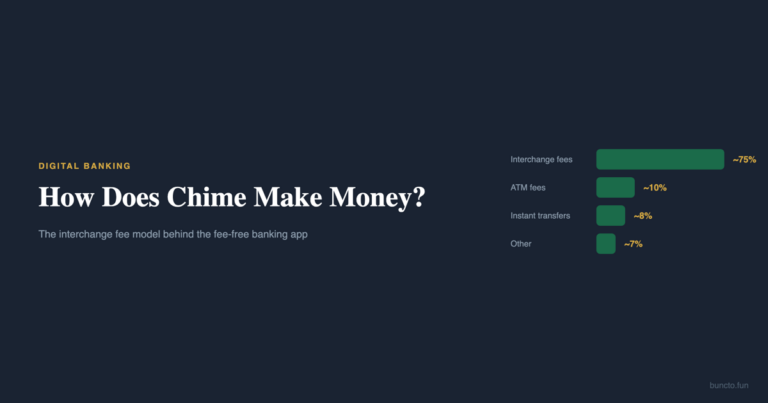
The charter matters because it changes how SoFi handles your money. Without a charter, fintech companies must partner with existing banks to hold deposits. Chime partners with Bancorp Bank and Stride Bank. Cash App partners with Lincoln Savings Bank and Sutton Bank. These are pass-through arrangements — the partner bank holds the deposits, and the fintech company provides the app interface.
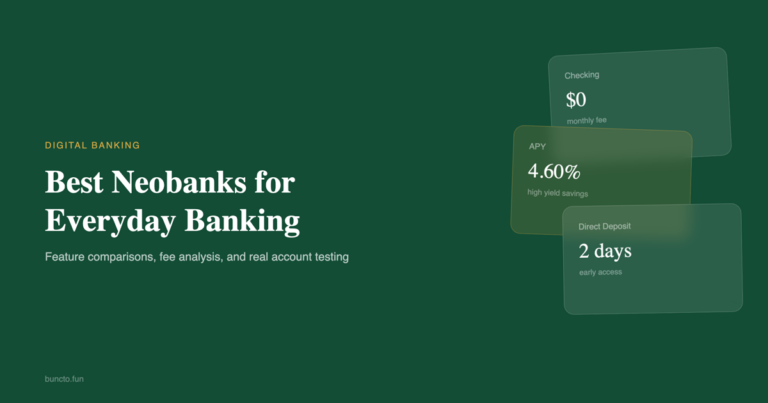
SoFi skips the middleman. Your deposits sit directly in SoFi Bank, N.A. This gives SoFi more control over interest rates, lending products, and the overall customer experience. It also means SoFi is regulated directly by the OCC and the FDIC, facing the same oversight as JPMorgan Chase or Bank of America. For how other neobanks compare structurally, see our neobanks guide.
Is Your Money FDIC Insured at SoFi?
Yes. SoFi Bank, N.A. is directly insured by the FDIC. According to FDIC.gov, deposits are insured up to $250,000 per depositor per insured bank. You can verify SoFi Bank’s status in the FDIC’s BankFind tool — the certificate number is 59570.
This is a meaningful distinction. At Chime, your deposits are protected through pass-through FDIC insurance from Bancorp Bank or Stride Bank. The insurance is real, but the relationship is indirect. At SoFi, the insurance comes directly from the institution holding your money. In practice, both provide $250,000 of coverage per depositor. The difference matters if either company faces financial trouble — SoFi’s deposits are in a regulated bank that the FDIC directly supervises.
SoFi also offers up to $3 million in additional FDIC coverage through its deposit sweep program, which distributes balances across multiple partner banks. This extended coverage applies to SoFi Checking and Savings accounts and goes well beyond the standard $250,000 limit at a single institution.
How Is SoFi Different From Chime and Other Neobanks?
SoFi is a chartered bank that also happens to be a technology company. Chime, Current, and Varo (before its charter) are technology companies that partner with banks. The structural difference affects what each company can offer and how your money is managed.
| Feature | SoFi Bank | Chime (fintech + partner bank) | Varo Bank (chartered) |
|---|---|---|---|
| Bank charter | Yes — OCC national charter | No — partners with Bancorp/Stride | Yes — OCC national charter |
| FDIC insurance | Direct | Pass-through | Direct |
| Sets own rates | Yes | Constrained by partner bank | Yes |
| Lends its own capital | Yes (personal loans, mortgages) | No | Yes (Varo Advance) |
| Revenue model | Lending + interchange + interest margin | Interchange fees | Interchange + lending |
| Products | Checking, savings, invest, loans, credit card | Checking, savings, credit builder | Checking, savings, advance |
The bank charter also lets SoFi lend directly. When you take a SoFi personal loan, the money comes from SoFi Bank’s own balance sheet. When Chime offered its Credit Builder card, it had to work through a partner bank. This is why SoFi can offer a wider range of financial products — mortgages, student loan refinancing, personal loans, investing — from a single platform. Read about how Chime’s business model works for the contrast.
What Does the Bank Charter Mean for Interest Rates?
SoFi can set its own savings and lending rates without negotiating with a partner bank, which is why it consistently offers above-average APY on savings. HYSA rates are tied to the federal funds rate, according to the Federal Reserve, but the specific APY each bank offers depends on their cost structure and competitive strategy.
When I last checked, SoFi’s savings APY was competitive with the highest online savings rates available. SoFi can afford these rates because it earns revenue from lending — the money you deposit funds loans to other SoFi customers. Traditional banks earn the same spread but share less of it with depositors because of branch overhead costs.
SoFi requires direct deposit to access its highest APY tier. Without direct deposit, the savings rate drops to a lower base rate. This is a customer acquisition strategy — SoFi wants your paycheck flowing through its platform because it increases engagement with other products. Our HYSA guide covers how to compare rates across providers.
Is SoFi Safe to Use as Your Primary Bank?
SoFi is as safe as any FDIC-insured bank for deposit protection. The bank charter means SoFi faces regular examinations by the OCC and the FDIC. It must maintain capital reserve requirements, undergo stress tests, and file quarterly financial reports — the same regulatory framework that applies to every national bank.
The risk with SoFi is not deposit safety — that is guaranteed by the FDIC up to $250,000. The risk is product complexity. SoFi offers investing, crypto, loans, insurance, and banking all in one app. If you use SoFi for everything, a security breach or account freeze affects your entire financial life. Diversifying across institutions limits that exposure.
My take: SoFi is a genuinely strong option for a primary checking and savings account, especially if you value having lending, investing, and banking in one place. The bank charter gives it structural advantages over pure fintechs. But I would not use SoFi as my only financial institution — keep an emergency fund at a separate bank. Read our research methodology for how we evaluate these products.
Should You Care Whether Your Neobank Has a Bank Charter?
For deposit safety, it does not matter — both direct FDIC insurance and pass-through FDIC insurance protect your first $250,000. For product quality and rates, the charter gives SoFi and Varo structural advantages that non-chartered neobanks cannot match.
A charter means the company controls more of its own economics. It can launch new lending products without a partner bank’s approval, set competitive deposit rates from its own margin, and hold customer relationships end-to-end. Non-chartered fintechs are always constrained by their banking partner’s appetite for risk and regulatory burden.
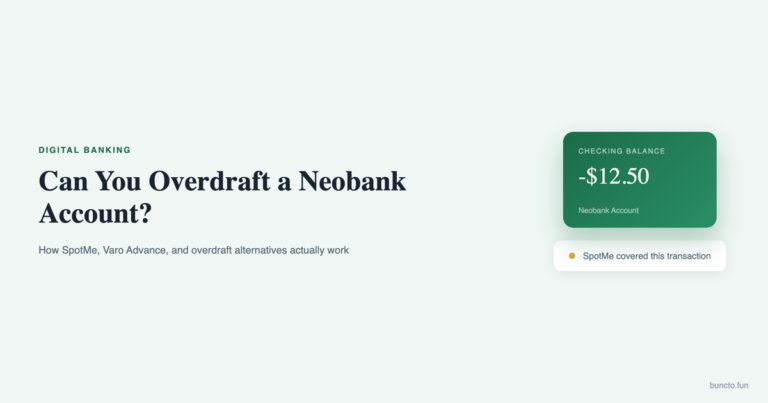
The tradeoff is that chartered banks face heavier regulation, which increases operating costs. Chime’s lean structure — no charter, no branches, minimal regulation beyond what its partner banks face — lets it move faster on consumer features like SpotMe and early direct deposit. Whether the charter matters depends on what you need: if you want an all-in-one financial platform, SoFi’s charter enables that. If you want a simple, fee-free checking account with a few perks, Chime delivers without one. See our neobank overdraft guide for how these structural differences affect specific features.
Sources
- FDIC — deposit insurance coverage and BankFind verification tool
- Office of the Comptroller of the Currency — national bank charter requirements
- SoFi — SoFi Bank, N.A. product terms and FDIC certificate
- Federal Reserve — federal funds rate and savings rate relationship
- Consumer Financial Protection Bureau — neobank and fintech regulation guidance