Neobanks now hold primary checking accounts for over 20 million Americans, according to a 2025 Insider Intelligence estimate. They charge fewer fees, offer earlier paycheck access, and run entirely through mobile apps. But they are not all the same. Some are full-service replacements for a traditional bank account. Others are better as secondary accounts for specific tasks like saving or building credit. This guide evaluates six neobanks on the criteria that matter for daily use, based on the account terms I verified directly on each provider’s website. For how we fact-check product details, see our research methodology.
In this article
- What is a neobank and how does it actually work?
- What features should you compare when choosing a neobank?
- How do the top neobanks compare side by side?
- Which neobank is best for each situation?
- How does FDIC insurance work at neobanks?
- What are the real downsides of using a neobank as your primary bank?
- Frequently Asked Questions
What is a neobank and how does it actually work?
A neobank is a financial technology company that offers banking services through a mobile app, without operating physical branches. Most neobanks are not themselves banks. They partner with FDIC-insured charter banks that hold your deposits. Chime, for example, partners with Stride Bank, N.A. and Bancorp Bank, N.A. Your money is protected up to 50,000 per depositor, per partner bank, through what the FDIC calls pass-through insurance.
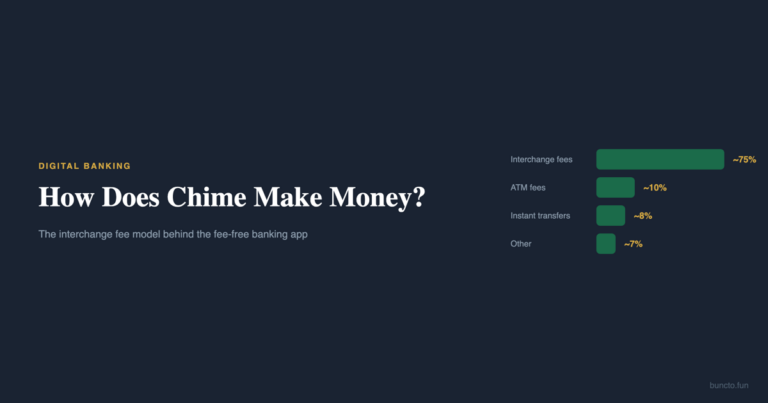
The business model is different from traditional banks. Neobanks earn revenue primarily from interchange fees when you use your debit card, rather than from overdraft charges and minimum balance penalties. This is why most neobanks can offer zero monthly fees. They have lower overhead because there are no branches to staff.
SoFi is the notable exception here. SoFi Bank, N.A. holds a full banking charter, which means it is itself the insured bank, not a fintech middleman. That distinction matters for how your account is regulated and protected.
What features should you compare when choosing a neobank?
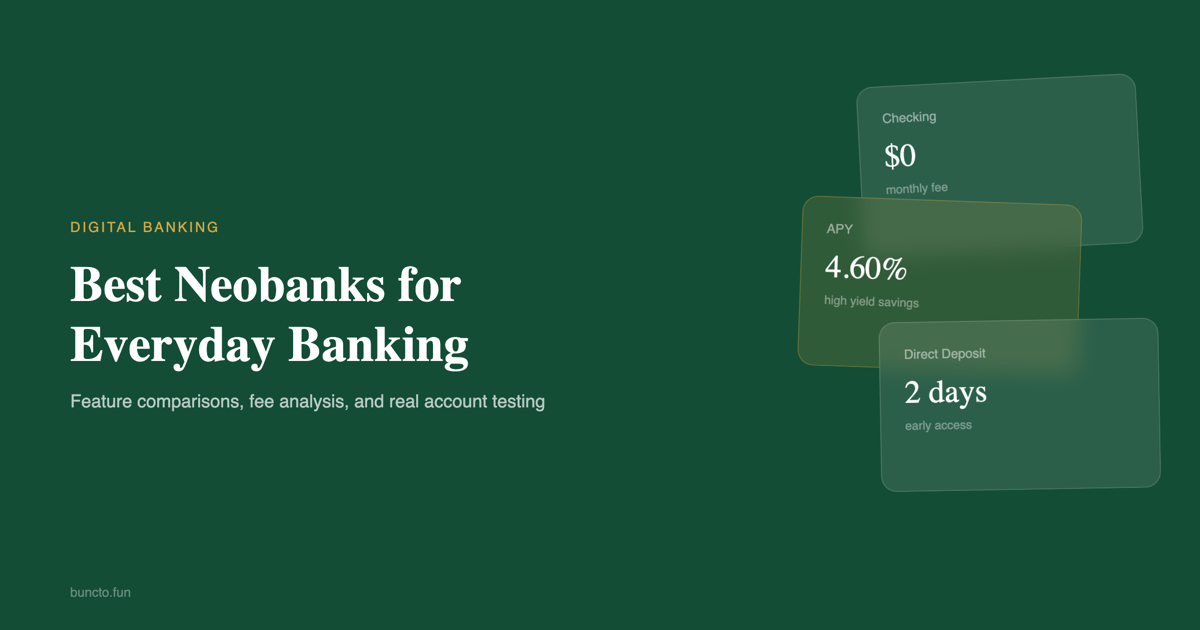
Focus on five things: fee structure, APY on deposits, ATM network size, early direct deposit timing, and overdraft or cash-advance policies. Marketing pages highlight the flashy features. The account terms tell you what you will actually pay and earn.
Monthly fees are the most straightforward comparison. Most neobanks charge -bash. But some, like MoneyLion, tier features behind a paid membership. ATM access varies widely. Chime reimburses out-of-network ATM fees up to a cap. SoFi offers 55,000+ surcharge-free ATMs through the Allpoint network. Current limits you to a smaller network unless you upgrade.
Early direct deposit means your paycheck posts up to two days before the scheduled date. This is possible because neobanks release funds when they receive the ACH pre-notification, rather than waiting for final settlement. The practical difference is usually 1-2 business days. It is not “free money earlier” — it is the same paycheck, available sooner.
How do the top neobanks compare side by side?
This table compares the six neobanks I evaluated on the features that determine daily usability. All data is from each provider’s current account terms, verified on their websites. Rates are variable and reflect what was published when I last checked.
| Neobank | Monthly Fee | Checking APY | Savings APY | ATM Network | Early Direct Deposit | Overdraft / Cash Advance | FDIC Insured Via |
|---|---|---|---|---|---|---|---|
| Chime | -bash | None | 2.00% | 60,000+ (fee-free) | Up to 2 days early | SpotMe up to 00 (no fee) | Stride Bank, N.A.; Bancorp Bank, N.A. |
| SoFi | -bash | 0.50% | 3.80% | 55,000+ Allpoint | Up to 2 days early | 0 overdraft (no fee) | SoFi Bank, N.A. (direct charter) |
| Varo | -bash | None | 2.50%-5.00% | 40,000+ Allpoint | Up to 2 days early | Varo Advance up to 50 | Varo Bank, N.A. (direct charter) |
| Current | -bash-.99 | Up to 4.00% | 4.00% | 40,000+ | Up to 2 days early | Overdrive up to 00 | Choice Financial Group |
| MoneyLion | -bash-9.99 | None | None | 55,000+ | Up to 2 days early | Instacash up to 00 | Lincoln Savings Bank |
| Revolut | -bash-5 | None | Up to 4.25% | Varies by plan | Up to 1 day early | None (fee-free withdrawals limited) | Metropolitan Commercial Bank (US) |
Which neobank is best for each situation?
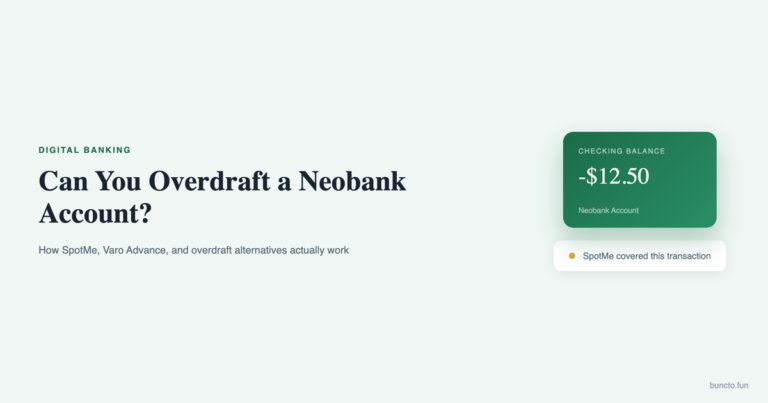
Chime is the best choice for people who want a no-fee primary checking account with the largest ATM network and simple overdraft coverage. It is the most widely adopted neobank in the US, with over 22 million account holders as of 2025 according to company disclosures. SpotMe covers overdrafts up to 00 with no fees once you set up qualifying direct deposits of 00 or more per month.
SoFi is the strongest option if you want yield on every dollar. It pays interest on both checking and savings balances, and the combined rate is higher than most standalone HYSAs. The direct bank charter gives it a regulatory advantage. SoFi also bundles investing, loans, and credit cards into one app, which appeals to people consolidating their finances. Read more in our HYSA comparison guide.
Varo is the best pick for people who need flexible cash advances without a credit check. Varo Advance offers up to 50 based on account activity, not credit score. Varo also holds its own bank charter, making it one of only a few neobanks regulated directly as a bank by the OCC.
Current targets users who want the highest checking APY. The Current Premium plan (.99/month) unlocks up to 4.00% APY on checking balances. That is unusually high for a checking account. The trade-off is that some features require the paid tier.
MoneyLion is worth considering only for its cash advance limit. Instacash offers up to 00 with no interest. But MoneyLion’s premium membership (9.99/month) makes it expensive as a primary bank. The free tier is limited.
Revolut suits frequent international travelers who want multi-currency accounts and fee-free foreign exchange. For domestic everyday banking, its US product is thinner than the competitors above.
How does FDIC insurance work at neobanks?
Your deposits at a neobank are FDIC-insured up to 50,000, but only if the neobank’s partner bank is FDIC-insured. This is called pass-through deposit insurance. The FDIC protects you as if you had deposited directly at the charter bank, even though you signed up through the neobank’s app. The FDIC’s deposit insurance page confirms this covers checking, savings, CDs, and money market accounts held at insured banks.
The risk to watch for: some fintech companies are not partnered with FDIC-insured banks. Revolut’s US deposits are held at Metropolitan Commercial Bank (FDIC-insured), but Revolut’s UK and EU products use different structures. Always verify the specific partner bank listed in your account agreement. If you want to switch to a neobank from a traditional bank, confirm the FDIC partner before moving your direct deposit.
What are the real downsides of using a neobank as your primary bank?
The biggest limitations are no in-person support, cash deposit restrictions, and the risk that the fintech company shuts down while your money is at the partner bank. When Synapse Financial Technologies collapsed in 2024, customers of several neobanks temporarily lost access to their funds. The FDIC insurance eventually protected depositors, but the process took weeks. This is the systemic risk of the fintech-middleman model.
Cash deposits are also harder. Most neobanks allow cash deposits through retail partners like Walgreens or CVS, but they charge -5 per deposit. If you regularly deposit cash, a traditional bank or credit union is a better primary account. Joint accounts are another gap. Most neobanks offer individual accounts only. Chime and SoFi both lack joint checking.
Customer service is app-based. If your account gets locked — which happens — resolving it can take days through chat support. I have tested the dispute process at Chime and SoFi. Both resolved the issue, but neither offered phone escalation as a first option.
Frequently Asked Questions
Yes. Chime, SoFi, and Varo all function as full primary checking accounts with direct deposit, bill pay, and debit cards. The main trade-off is no in-person service and limited cash deposit options. Many people keep a secondary account at a local bank for cash-heavy transactions.
Your deposits are held at the FDIC-insured partner bank, not the neobank company itself. If the neobank shuts down, the partner bank still holds your money. However, accessing it during the transition can be delayed. The Synapse collapse in 2024 showed this process can take weeks.
Most neobanks offer large fee-free ATM networks. Chime covers 60,000+ ATMs. SoFi uses the 55,000+ Allpoint network. Out-of-network ATMs may charge their own fee, and some neobanks reimburse a limited amount. Check the specific network before signing up.
When your employer sends payroll, an ACH pre-notification arrives 1-2 days before settlement. Traditional banks wait for final settlement to release funds. Neobanks release funds at the pre-notification stage. You get the same paycheck, just sooner. The exact timing depends on your employer’s payroll schedule.
Most neobanks allow cash deposits through retail partners like Walgreens, CVS, and Dollar General via the Green Dot network. The typical fee is .00-.95 per deposit. Limits vary. If you deposit cash regularly, this cost adds up and a traditional bank may be cheaper.
Sources
- FDIC — Understanding Deposit Insurance (accessed Aug 2026)
- Chime — Checking Account Terms (accessed Aug 2026)
- SoFi — SoFi Checking and Savings (accessed Aug 2026)
- Varo — Bank Account Features (accessed Aug 2026)
- Current — Account Plans and Rates (accessed Aug 2026)
- Insider Intelligence — Neobanks in the US (2025 estimate)
- CFPB — Consumer Financial Protection Bureau newsroom