Secured credit cards require a refundable deposit of 00-00. Credit builder loans require monthly payments of 5-00. Both report to the three major bureaus. But they build different parts of your credit profile, and the cost structures are not equivalent. According to FICO, payment history contributes 35% to your score, while credit utilization (which only secured cards build) contributes 30%. This guide compares the two products head-to-head with actual costs, timelines, and outcomes. We document our comparison methodology in our research process.
In this article
How does a secured credit card build credit?
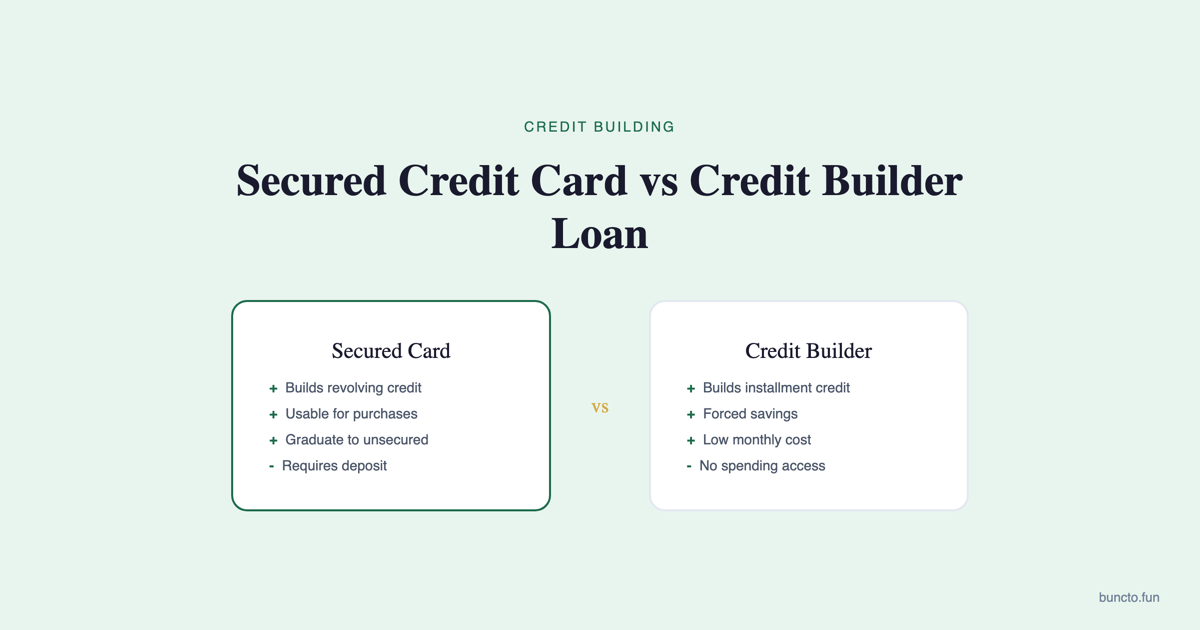
A secured credit card is a revolving credit account backed by a cash deposit. If you deposit 00, you receive a 00 credit limit. You use the card for purchases, receive a monthly statement, and pay at least the minimum by the due date. The deposit is refundable when you close the account or upgrade to an unsecured card.
Secured cards build two scoring factors simultaneously:
- Payment history (35% of FICO). Each on-time payment adds a positive tradeline.
- Credit utilization (30% of FICO). Your balance-to-limit ratio is calculated each month. Keeping it under 10% produces the best scoring effect. On a 00 limit, that means carrying a statement balance under 0.
Most major issuers offer secured cards: Capital One Secured Mastercard (deposit as low as 9), Discover it Secured Card (00 minimum), and Bank of America Secured Card (00-,000). All three report to Experian, Equifax, and TransUnion.
How does a credit builder loan build credit?
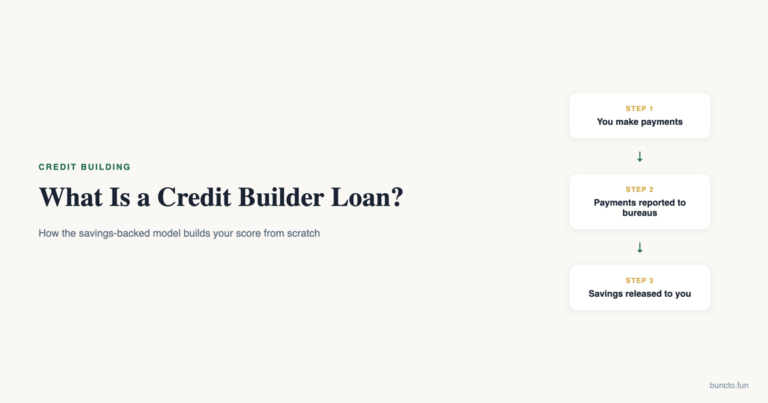
Self Financial is the most widely used credit builder. Their plans range from 20 to ,800 in total savings value, with monthly payments of 5 to 50. The loan term is 12-24 months. When I last checked, the effective interest rate was approximately 15.51% APR, which translates to 2-8 in total interest over the term.
Credit builder loans are installment accounts, not revolving accounts. They build payment history (35% of FICO) and contribute to credit mix (10% of FICO), but they do not generate a utilization ratio. This is a meaningful difference. Utilization is the second most influential scoring factor, and only revolving accounts like credit cards contribute to it.
Which builds credit faster: a side-by-side comparison?
| Factor | Secured credit card | Credit builder loan |
|---|---|---|
| Scoring factors built | Payment history + utilization + credit mix | Payment history + credit mix |
| Upfront cost | 00-00 deposit (refundable) | -bash upfront (paid monthly) |
| Monthly cost | -bash if paid in full | 5-50/month |
| Total interest paid | -bash if balance paid in full monthly | 2-8 over the term |
| Time to scoreable file | 3 months | 3 months |
| Typical score at 6 months | 650-680 | 620-650 |
| Typical score at 12 months | 690-720 | 660-690 |
| Builds utilization history | Yes | No |
| Money back at end | Full deposit returned | Saved amount minus interest |
| Reports to all 3 bureaus | Most major issuers do | Self does; not all do |
The CFPB studied credit builder loans and found that participants with no existing debt saw an average score increase of 60 points after 12 months. Those who already had debt saw smaller gains. The secured credit card data is harder to isolate, but industry reports from Experian suggest that responsible secured card use (low utilization, on-time payments) produces a 680+ score within 12 months for most new filers.
Should you use both at the same time?
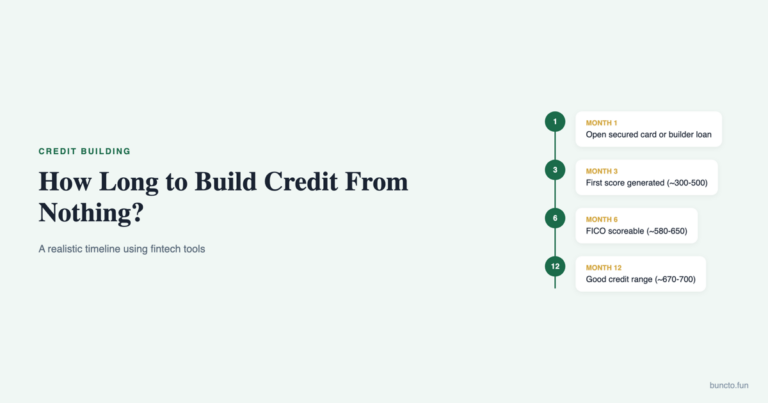
This is my recommendation for anyone starting from zero. Open a secured credit card (00 deposit) and a Self credit builder account (5/month plan) in the same month. Total initial outlay: 25. By month 6, you will have two accounts reporting positive payment history, a utilization history from the card, and a blended credit mix. This combination routinely produces a 670+ score by month 6 and a 700+ score by month 12.
The math works because FICO’s model rewards breadth, not just depth. Two healthy accounts outperform one healthy account even if the total credit exposure is the same. If you are building credit as a new immigrant, see our dedicated guide for building credit without an SSN.
What are the risks of each product?
Specific risks to watch:
- Secured card interest. If you carry a balance instead of paying in full, you pay 20-28% APR on the unpaid portion. Always pay the full statement balance by the due date.
- Credit builder fees. Some services charge application fees, monthly service fees, or administrative fees on top of the loan interest. Self is transparent; others are not. Read the full fee schedule before signing up.
- Annual fees on secured cards. Some secured cards charge 5-9 in annual fees. The Capital One Secured Mastercard and Discover it Secured Card both have -bash annual fees. Prefer these.
For the broader picture of credit building strategies, including rent reporting and authorized user strategies, see our pillar guide on how to build credit from scratch.
Frequently Asked Questions
Most issuers review your account after 6-12 months of on-time payments. Capital One and Discover typically offer an automatic upgrade to an unsecured card with a higher credit limit. When you upgrade, your deposit is refunded. Some issuers do not upgrade automatically and require you to apply for a new unsecured card separately.
Yes. Credit builder loans do not require a credit check for approval. Self Financial does not perform a hard inquiry. The qualification is based on your ability to make monthly payments, not your existing score. This makes credit builder loans accessible to people with bad credit, no credit, or a thin file.
Yes. A credit builder loan appears as an open installment loan on your credit report. The remaining balance counts toward your total debt. However, because the loan amount is small (20-,800) and installment utilization is weighted less heavily than revolving utilization, the impact on your score is usually positive as long as payments are on time.
A secured credit card is better post-bankruptcy. You need to rebuild revolving credit history, which is the type that was most damaged. A credit builder loan helps too, but the utilization history from a secured card is more directly relevant to the scoring factors that dropped during bankruptcy.
Sources
- FICO, “What’s in my FICO Score?” — myfico.com
- Consumer Financial Protection Bureau, “The impact of credit builder loans on credit scores” — consumerfinance.gov
- Self Financial, “Credit Builder Account” — self.inc
- Capital One, “Secured Mastercard” — capitalone.com
- Discover, “Discover it Secured Credit Card” — discover.com
- Experian, “How to Build Credit with a Secured Card” — experian.com