The Consumer Financial Protection Bureau estimates that 26 million American adults are “credit invisible” with no credit file at any major bureau. Immigrants make up a large share of that group. Experian data shows that 45 million US residents lack a scoreable credit file. An ITIN can be obtained from the IRS regardless of immigration status, and it opens the door to credit products that build your file from zero. Our approach to verifying these pathways is described in our research methodology.
In this article
- Can you get credit in the US without a Social Security Number?
- Which credit cards accept an ITIN instead of SSN?
- How do credit builder apps work for immigrants?
- What is the fastest timeline to reach a good credit score?
- Do you need a US bank account before building credit?
- What mistakes should immigrants avoid when building credit?
- Frequently Asked Questions
Can you get credit in the US without a Social Security Number?
The IRS issues ITINs to individuals who need to file US tax returns but do not qualify for an SSN. The application requires IRS Form W-7, proof of identity (passport), and proof of foreign status. Processing takes 7-11 weeks by mail or can be done immediately at an IRS Taxpayer Assistance Center.
Once you have an ITIN, you can apply for credit products. Not every issuer accepts ITINs, but a growing number do.
Which credit cards accept an ITIN instead of SSN?
| Issuer | Product type | Accepts ITIN | Security deposit | Reports to |
|---|---|---|---|---|
| Bank of America | Secured credit card | Yes | 00-,000 | All 3 bureaus |
| Capital One | Secured Mastercard | Yes | 9-00 | All 3 bureaus |
| Citibank | Secured Mastercard | Yes | 00 | All 3 bureaus |
| Self | Credit builder + secured Visa | Yes | 00+ (from savings) | All 3 bureaus |
| Deserve | Unsecured student card | Yes | None | All 3 bureaus |
| Local credit unions | Share-secured loans | Varies | Varies | Most report to all 3 |
When I last checked, Capital One’s Secured Mastercard was the easiest approval for ITIN holders with no existing US credit. The minimum deposit is as low as 9, which lowers the barrier to entry. For a detailed comparison of secured cards versus credit builder loans, see our head-to-head guide.
How do credit builder apps work for immigrants?
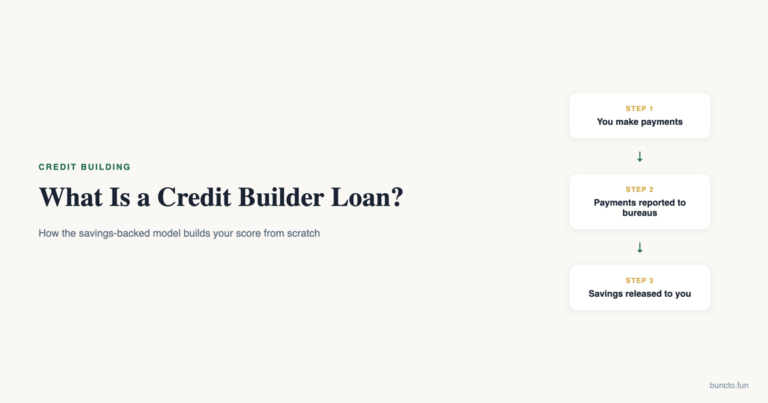
Self Financial is the strongest option for ITIN holders. The product works as a credit builder account: you choose a plan (5-50/month), make monthly payments into a locked savings account, and Self reports each payment to Experian, Equifax, and TransUnion. At the end of the term, you receive the saved amount minus fees. The total cost is 2-8 in interest depending on the plan.
Grow Credit takes a different approach. It pays your existing subscriptions (Netflix, Spotify, Hulu) and reports those payments as credit activity. The free plan covers one subscription. The paid plan (.99/month) covers multiple subscriptions and reports to two bureaus.
What is the fastest timeline to reach a good credit score?
Here is a realistic month-by-month timeline:
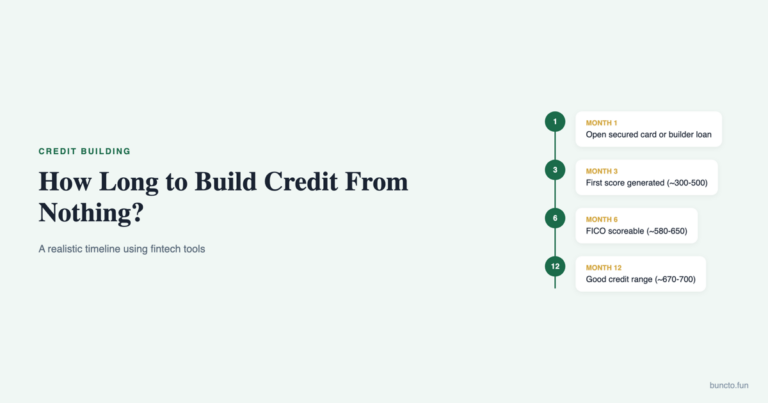
- Month 0: Apply for ITIN (if you do not have one). Open a Self credit builder account (5/month plan). Apply for a secured credit card.
- Month 1-2: Make on-time payments on both accounts. Keep secured card utilization under 10% of the limit.
- Month 3: Your credit file is now scoreable. Expect a FICO score of 580-620.
- Month 6: With continued on-time payments and low utilization, scores typically reach 650-680.
- Month 12: Scores reach 700+ for most disciplined builders. You may now qualify for unsecured credit cards.
The single most important factor is payment history, which accounts for 35% of your FICO score, according to FICO’s scoring model documentation. One missed payment can drop your score 60-100 points and takes 7 years to fully age off your report.
Do you need a US bank account before building credit?
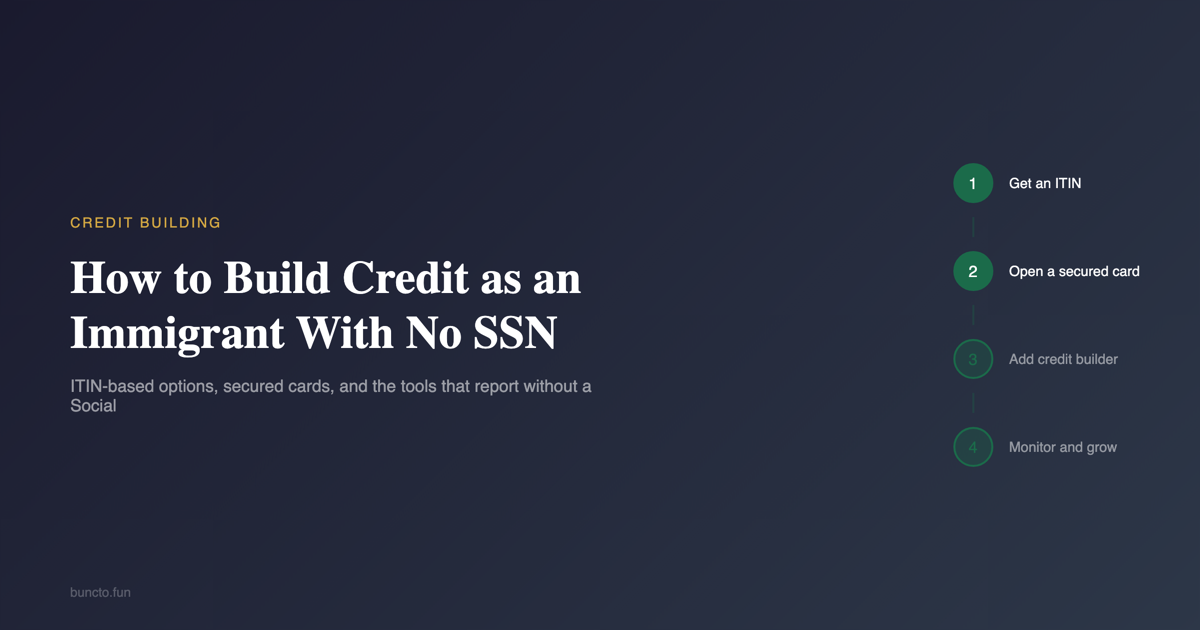
The sequence matters. First, get a bank account. Then get an ITIN. Then apply for credit. Trying to get credit before you have a bank account and a tax identification number will result in denials.
For a broader view of building credit from zero, including options for people who do have an SSN, read our full guide on how to build credit from scratch.
What mistakes should immigrants avoid when building credit?
Other common traps:
- Authorized user scams. Some services charge 00+ to add you as an authorized user on a stranger’s credit card. This can work, but it is risky. If the primary holder misses a payment, it damages your score too. The CFPB warns against credit repair scams targeting immigrants.
- Payday loans. These do not build credit. Most payday lenders do not report to bureaus, and the interest rates (400%+ APR) create debt spirals.
- Ignoring errors. Request your free credit reports at AnnualCreditReport.com every 12 months. Immigrants are disproportionately affected by mixed files, where someone else’s data appears on your report because of a shared address or similar name.
Frequently Asked Questions
Yes. An ITIN does not require legal residency. The IRS issues ITINs to any individual who needs a US tax identification number, regardless of immigration status. Once you have an ITIN, you can apply for credit products from issuers that accept it.
Yes. When you receive an SSN, contact each credit bureau to merge your ITIN credit history with your new SSN file. The process is not automatic. You will need to submit a request with documentation to Experian, Equifax, and TransUnion individually. Your payment history and account age should transfer fully.
No. US credit bureaus do not import scores or history from foreign bureaus. You start from zero. A few exceptions exist: American Express Global Transfer lets existing cardholders from select countries apply for a US card using their international relationship. Nova Credit partners with bureaus in some countries to provide a “Credit Passport” to US lenders.
Budget 25-00 total to start. A secured credit card requires 00 minimum deposit. A Self credit builder plan starts at 5/month. The ITIN application itself is free. Combined first-year cost (deposit + builder fees) is under 00, and you get most of the secured card deposit back when you upgrade to an unsecured card.
Sources
- Consumer Financial Protection Bureau, “Who are the credit invisibles?” — consumerfinance.gov
- Experian, “Credit invisibility in America” — experian.com
- IRS, “Individual Taxpayer Identification Number (ITIN)” — irs.gov
- FICO, “What’s in my FICO Score?” — myfico.com
- Self Financial, “Credit Builder Account Details” — self.inc
- AnnualCreditReport.com — annualcreditreport.com