Quick answer: Most neobanks do not charge traditional overdraft fees. Instead, apps like Chime, Varo, and Current offer small cash advances when your balance goes negative. These programs typically require direct deposit, have limits between 0 and 00, and charge nothing in interest. The tradeoff is a lower advance ceiling than a traditional overdraft line.
What Is Overdraft Protection at a Neobank?
Neobanks replace the traditional overdraft fee model with fee-free cash advance programs. A traditional bank charges 5 per overdraft transaction. Neobanks partner with FDIC-insured banks for pass-through insurance on deposits, according to FDIC.gov, but they handle overdrafts differently than those partner banks would on their own.
Instead of letting your balance drop below zero and charging a fee, neobanks built proprietary advance features. These work like a small, interest-free loan tied to your spending account. The bank fronts you money, and your next direct deposit pays it back automatically.
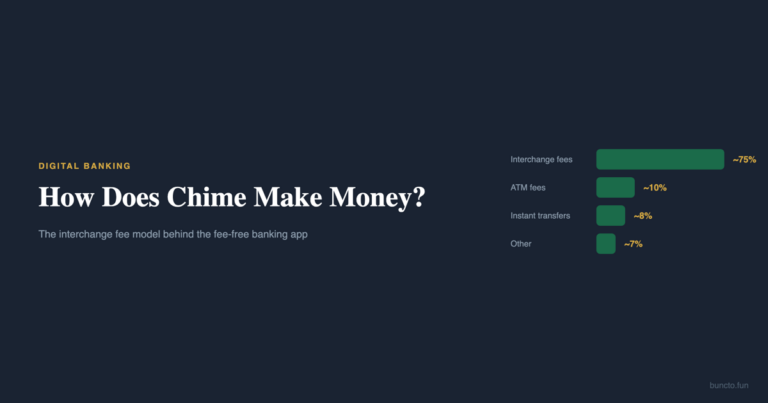
This model exists because neobanks make most of their revenue from interchange fees on debit card swipes, not from penalty fees. Letting you spend when your balance is low keeps you swiping. It is a business model decision, not charity.
For a broader look at how digital banks compare to traditional institutions, read our neobank vs traditional bank comparison.
How Does Chime SpotMe Work?
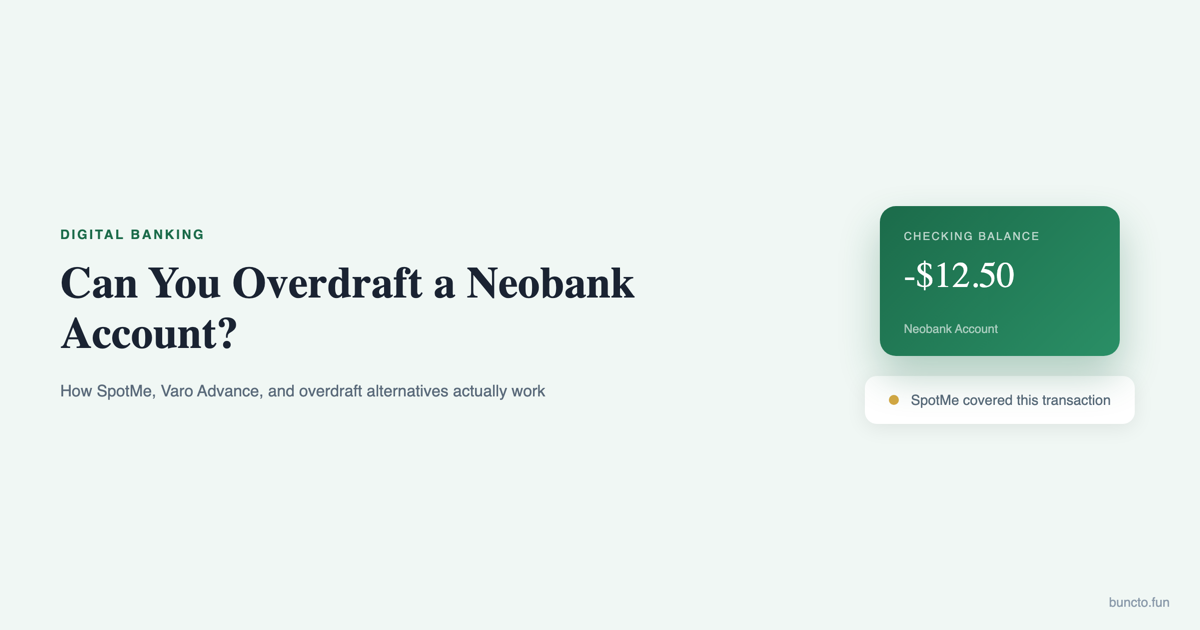
Chime SpotMe lets eligible users overdraw their checking account by up to 00 with no fees. You need at least 00 in qualifying direct deposits per month to activate it. New users start with a 0 limit that increases over time based on deposit history and account behavior.
SpotMe covers debit card purchases and cash-back transactions at the point of sale. It does not cover ACH transfers, pay-anyone transfers, or Chime Checkbook transactions. The negative balance is repaid automatically when your next deposit hits.
Chime partners with Bancorp Bank and Stride Bank to hold deposits. Your funds carry FDIC insurance up to 50,000 per depositor per insured bank, according to FDIC.gov. SpotMe itself is a Chime feature, not a bank product, which is why Chime can set its own terms for it.
How Do Varo and Current Compare to Chime?
Varo Advance and Current Overdrive offer similar fee-free overdraft alternatives, but each has different limits, deposit requirements, and repayment terms. These three products cover the majority of the neobank overdraft market.
| Feature | Chime SpotMe | Varo Advance | Current Overdrive |
|---|---|---|---|
| Maximum advance | 00 | 50 | 00 |
| Fee | -bash (tip optional) | -bash for advances under 0; small fee above | -bash |
| Direct deposit required | 00/month | Varies by advance size | Yes, qualifying amount |
| Starting limit | 0 | 0 | 5 |
| Repayment | Auto from next deposit | Within 30 days or next deposit | Auto from next deposit |
| Covers ATM | No | No | No |
Varo Advance stands out because it allows repayment within 30 days rather than only from the next deposit. Current Overdrive offers a clean -bash fee model but requires consistent direct deposits to maintain eligibility.
Can You Overdraft at an ATM With a Neobank?
No. Neobank cash advance programs do not cover ATM withdrawals. SpotMe, Varo Advance, and Current Overdrive all exclude ATM transactions. If your balance is and you request 0 at an ATM, the transaction will decline.
This is different from a traditional bank, where overdraft protection may cover ATM transactions and charge you a 5 fee for the privilege. The neobank model protects you from fees but restricts when the advance kicks in.
If you need cash access, you must have sufficient funds in your account first. Some neobanks offer fee-free ATM networks — Chime uses over 60,000 fee-free ATMs through AllPoint and MoneyPass — but these still require a positive balance. Planning your bank switch around direct deposit timing helps avoid running low.
What Happens If Your Balance Stays Negative?
Your account may lose its advance feature, but you will not be charged late fees or sent to collections for a small negative balance. Neobanks generally recover the amount from your next deposit without penalty.
If no deposit arrives for an extended period, the neobank may restrict your account, lower your advance limit, or close the account. Chime states that SpotMe limits decrease if repayment patterns change. Varo may restrict future advances if the 30-day repayment window passes.
None of these neobanks report overdraft advance activity to credit bureaus. A negative balance on your neobank account does not appear on your credit report. However, if the balance remains negative and the account closes, the neobank could send the debt to collections, which would affect your credit. For details on how credit reporting works, see our guide on building credit from scratch.
Is a Neobank Overdraft Better Than a Traditional Bank?
For most people spending under 00, neobank cash advances are strictly better than traditional overdraft because they cost nothing. A single 5 overdraft fee at a traditional bank costs more than an entire year of neobank cash advances combined.
The gap narrows if you need larger overdraft amounts. Traditional banks often allow overdrafts of 00 or more through linked credit lines, though these carry interest. Neobank advances cap at 00-50 and cover only debit card transactions. If your overdraft needs are predictable and small, a neobank wins. If you occasionally need a larger safety net, a traditional overdraft line of credit — not per-transaction fees — may serve better.
I think the neobank model is the better default for most people. The traditional overdraft fee structure penalizes the people who can least afford it. Neobanks removed that penalty, and the tradeoff of a lower ceiling is worth it. Read our methodology for how we evaluate these products.
Sources
- FDIC Deposit Insurance
- Chime SpotMe Terms
- Varo Advance Terms
- Current Overdrive Terms
- CFPB Overdraft fee reports — consumerfinance.gov